- Duration 8 months
part time - Subjects 4 subjects
(50 credit points) - Fees $4,248 per 12.5
credit point subject* - Intakes October, January, March, May, July, August
Why study the Graduate Certificate in Counselling online with the University of Melbourne?

Elevate your ability to support others
Gain essential knowledge in core counselling techniques to enhance how you support others. Through tailored case studies, evidence-based approaches and reflective learning, you'll build a transferable skill set designed to strengthen your value in any people-focused career.

Access a world-leading network of social impact
Connect with a thriving ecosystem of experts and community partners at Australia's #1 university for Psychology1. Gain insights from leaders in counselling techniques like narrative therapy and leverage strong connections with industry innovators, such as the Dulwich Centre, to enhance your practice.
1 QS World University Rankings (by subject), 2026

You’re in control of your learning
Wherever you are, you can take charge of your learning experience. Whether this means engaging live or when it suits you; taking breaks or accelerating; connecting with others or running your own race. You're in control – of your work, study and life.
Course highlights
- Master the core theories and practical skills that underpin effective counselling practice
- Transform assessment insights into effective intervention and treatment strategies
- Explore the ethical, legal and professional standards guiding modern counselling practice
- Strengthen client connection through self-awareness, communication and reflective practice
- Completing our Graduate Certificate in Counselling serves as a pathway into our Graduate Diploma in Counselling and Master of Counselling.


Learn from world-leading academics
Benefit from expert-led contemporary learning as you prepare for the next phase of your career. Engage with our world-leading academics whose opinions are sought after by government, shaping strategy and influencing policy.
Download your course guide to meet the team responsible for the Graduate Certificate in Counselling at Australia’s #1 university^.
^ Average of the latest Academic Ranking of World Universities (ARWU), QS and Times Higher Education (THE) global university rankings
Career outcomes
Whether you work in healthcare, education, community services, or are exploring your interest in counselling before pursuing further study, the online Graduate Certificate in Counselling helps you develop practical, transferable skills for many people-focused service industries.
This transformative qualification provides a pathway for further study if you wish to pursue a career in counselling, or prepares you for roles where counselling skills are highly valued, including:
- Community Support Practitioner
- Health and Social Services Support Worker
- Senior Support Practitioner
- Student Support Officer
- Wellbeing Program Coordinator
- Workplace Wellbeing Adviser.

Subjects of study
Across four transformational subjects, you’ll explore key theories that guide modern counselling, understand ethical and cultural factors and apply structured frameworks to effectively support people.
arrow_right_altDownload your course guide for more information
Explore foundational and contemporary counselling theories that underpin ethical and effective practice. You will explore a range of frameworks, including psychodynamic, person-centred, cognitive behavioural and narrative approaches.
Develop the interpersonal, reflective and communication skills required for counselling practice. This subject prepares you for future residential and professional placement by building your capacity to form safe, ethical and collaborative therapeutic relationships.
Examine the ethical, legal and professional foundations of counselling practice. You will examine national and international codes of ethics, statutory obligations and regulatory frameworks that guide decision-making and protect client wellbeing. Through practical activities you will apply ethical-reasoning models to complex scenarios and reflect on your emerging professional identity and responsibility for self-care and supervision.
This subject equips you to uphold culturally competent and accountable practice.
In this subject, you will develop skills in comprehensive client assessment and psychosocial formulation. You will have opportunities to practice identifying presenting concerns, evaluate risk and protective factors, and attend to cultural, developmental, and systemic contexts.

You’re in control of your learning experience
- Find freedom with the choice of how and where you study
- Have more control over your learning with the ability to take breaks from study when needed
- Receive ongoing one-on-one support from application through to graduation
- Access resources and support systems designed to help you succeed
- Experience personalised interactions from expert educators who value your development
- Gain a competitive edge with a recognised qualification from Australia’s top university^.
Find out more about the online experience at the University of Melbourne.
Entry requirements
In order to be considered for entry, applicants must have completed one of the following:
- A bachelors degree in a related discipline such as Health Sciences, Social Work, Psychology, Medicine, Nursing, Occupational Therapy, Teaching, Education or
- A bachelors degree or equivalent in any discipline, and at least two years of relevant full-time work experience (or equivalent) or
- At least six years of relevant full-time work experience (or equivalent), including clear evidence of career development, professional writing, and professional achievement or practice comparable to that expected of undergraduate degree holders in cognate disciplines.
Meeting these requirements does not guarantee selection.
arrow_right_alt Download your course guide for more information
You may be eligible if you have completed a qualification in a related discipline aligned to the field of health and human services.
Example study areas include:
- Community services
- Counselling education
- Family work
- Health sciences
- Nursing
- Occupational therapy
- Psychology
- Social sciences
- Social work
- Youth mental health
- Youth work.
You may also be eligible based on your professional experience. This includes roles demonstrating:
- Supporting individuals with emotional, social or behavioural challenges
- Working with vulnerable or at-risk populations
- Supporting learning, development, or behavioural outcomes
- Supporting patient wellbeing, recovery or care.
Examples of relevant roles include:
- Allied Health Professional
- Career Counsellor
- Case Manager
- Case Worker / Support Coordinator
- Crisis Support / Helpline Worker
- Disability Support Worker
- General Practitioner
- HR Adviser
- Learning Support Officer
- Mental Health Support Worker
- Nurse
- Occupational Therapist
- Police Officer
- Social Services
- Student Wellbeing Officer
- Teacher
- Youth Worker.
Applicants without a related degree who are applying using relevant work experience will be assessed on a case-by-case basis to confirm eligibility and academic readiness.
You may be required to provide a CV or other supporting documentation as part of the assessment process.
All applicants to the University of Melbourne must satisfy the English language requirements. This may be achieved in a number of ways, including recognised previous study taught and assessed entirely in English or an approved English language test.
If you are from a non-English speaking background, the required standard of English for this degree is one of the following English proficiency test scores:
- IELTS: 6.5 (with no band less than 6.0);
- TOEFL: 81 (with writing 19, speaking 19, reading 16, listening 16);
- Pearson: 64 (with no communicative skill below 60);
- Cambridge C1 Advanced: 169 (with writing 170, speaking 179, reading 163, listening 163);
- LanguageCert Academic: 67 (with writing 64, speaking 70, reading 60, listening 57);
- MET: 58 (with writing 57, speaking 48, reading 55, listening 56).
In ranking applications, the Selection Committee will consider:
- Prior academic performance; and, if relevant
- Professional experience.
The Selection Committee may seek further information to clarify any aspect of an application in accordance with the Academic Board rules on the use of selection instruments.
Applicants are required to satisfy the university's English language requirements for postgraduate courses. For those applicants seeking to meet these requirements by one of the standard tests approved by the Academic Board, performance band 6.5 is required. In considering students under special entry access schemes, the Selection Committee will consider aspects of disadvantage as set out from time to time in the University of Melbourne Graduate Access policy, evidence of rurality for rural applicants, and confirmation of Aboriginality for Indigenous applicants.
Fees and FEE-HELP
Cost per 12.5 credit point subject: $4,248*
Total cost: $16,992*
FEE-HELP is a loan that can cover all or part of tuition fees for eligible students. The Australian Government pays the amount of the loan direct to the University. It enables you to borrow the amount of your tuition fees and then pay that loan back once you are in the workforce and earning at a specified level or you can make voluntary repayments to the ATO at any time.
For more information, including eligibility for FEE-HELP, download your Graduate Certificate in Counselling course guide.
*Fees are subject to annual review by the university, with any new rates effective from the beginning of each calendar year.
Designed for impact
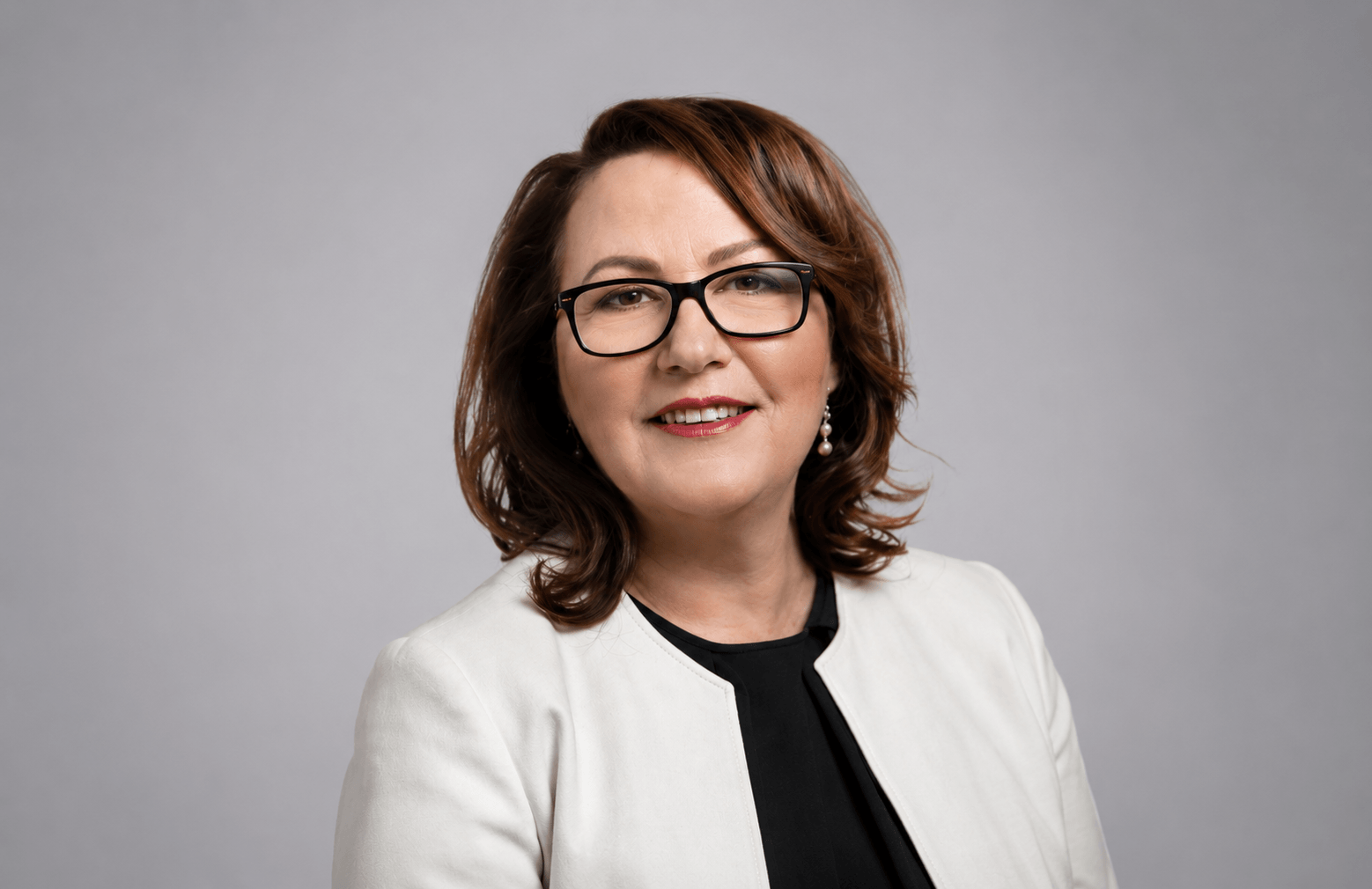
"Counselling offers a remarkable career, helping individuals, families and communities, shaping policy and services, and working across health, education, community and private sectors. Drawing on my extensive counselling and leadership experience, I look forward to guiding you to develop not only therapeutic skills but professional confidence, adaptability and ethical practice so you can make a meaningful, sustained difference wherever your career leads."
Dr Lyndal Hickey
Course Director, online Master of Counselling
Enquire and receive your course guide
Discover more information on our courses, including:
- Entry requirements
- Career outcomes
- Subject descriptions
- Fees and FEE-HELP.
Related courses
Find the qualification that helps you make a difference in the spaces you care about with our counselling and youth mental health courses.
Frequently asked questions
A graduate certificate in counselling is a short, focused qualification designed to introduce counselling skills and frameworks for further study, professional enhancement or personal interest.
It is a valuable qualification for those exploring counselling as a career or for professionals who support others but do not intend to practice as counsellors.
In Australia, a graduate certificate in counselling does not qualify you as a professional counsellor. However, it does provide a strong foundation and serves as a pathway into a Graduate Diploma in Counselling or Master of Counselling, if your goal is to become a professional counsellor.
To become a professional counsellor in Australia, you need:
- Successful completion of an accredited counselling qualification
- Undertake required placement hours
- Registration with a peak body such as the Australian Counselling Association (ACA).
A graduate certificate in counselling is ideal for professionals in helping-based fields such as education, nursing, allied health or community services to enhance their support skills. It’s also a great way for those thinking about a career change into counselling to test the waters before they commit to a graduate diploma or master of counselling.
No, this course is only available to domestic students in Australia.